

Denver's on-site sewage treatment systems are vital for maintaining cleanliness and environmental health. Decentralized approach with septic tanks and advanced treatments minimizes impact, conserves water, and suits diverse topography. Regular maintenance prevents failures, reduces health risks, and enhances sustainability efforts like biogas production. Modern systems with tailored technologies ensure efficient sewage removal, improved water quality, cost savings, and minimized environmental pollution. Upgrading facilities is crucial for a growing Denver to maintain peak performance and meet diverse needs.
Denver’s rapid growth has placed significant demand on effective sewage removal systems. As the city navigates urban expansion, ensuring sustainable and efficient waste management is paramount for both public health and environmental preservation. This article delves into Denver’s premier on-site sewage treatment facilities, exploring their role in mitigating challenges posed by increasing urbanization. We will dissect the complex processes these facilities employ to transform harmful wastewater into reusable resources, highlighting advancements that revolutionize sewage removal in Denver naturally.
- Understanding Denver's On-Site Sewage System
- Types of Sewage Treatment Facilities in Denver
- How These Facilities Work: A Step-by-Step Guide
- Benefits of On-Site Sewage Removal Denver Residents Enjoy
- Choosing the Right Sewage Treatment Solution for Your Property
- Maintaining and Upgrading Denver's Premier Sewage Systems
Understanding Denver's On-Site Sewage System

Denver’s on-site sewage treatment system is a complex yet crucial infrastructure that plays a vital role in maintaining the city’s cleanliness and environmental health. Unlike centralized sewer systems, where waste travels to treatment plants via pipes under streets, on-site systems handle sewage removal directly at the source—whether residential, commercial, or industrial properties. This decentralized approach offers both advantages and challenges unique to Denver’s landscape.
At its core, effective sewage removal in Denver relies on a series of components: septic tanks, drainfields, and, in some cases, advanced treatment systems. Septic tanks collect and break down solid waste, while drainfields—typically located in areas with suitable soil conditions—filter treated wastewater into the ground. This natural process not only minimizes environmental impact but also conserves water resources. For instance, Denver’s diverse topography means that many properties are situated on slopes or in remote areas, making on-site systems particularly well-suited and often mandatory.
However, navigating this system requires meticulous care. Regular maintenance, including pumpouts and inspections, is essential to prevent system failure. This is where local Denver sewage haulers come into play, offering crucial services such as sewer line inspection camera rental, which allows for non-invasive visual assessments of pipes, identifying potential issues before they become costly repairs. For businesses, regular sewage removal is not just a regulatory requirement but also a matter of operational efficiency and public health. Data from the Denver Health Department underscores this point, indicating that proper on-site sewage treatment significantly reduces the risk of waterborne diseases, a significant concern in any bustling metropolis.
Types of Sewage Treatment Facilities in Denver

Denver’s diverse landscape presents unique challenges for effective sewage removal, demanding a varied array of on-site sewage treatment facilities. These facilities play a critical role in maintaining water quality and ensuring the health and safety of residents across the city. From residential areas to industrial sites, several types of sewage treatment systems operate discreetly behind the scenes, managing millions of gallons of wastewater daily.
One common type is the septic system, popular in rural or suburban areas due to its decentralized nature. These systems use a combination of bacterial action and filtration to break down waste, with the treated water then safely discharged into the ground. In contrast, advanced on-site treatment systems employ sophisticated technology, including aeration processes and bio-reactors, to achieve higher levels of purification. These systems are often found in denser urban environments where space is limited but the demand for efficient sewage removal is high.
For instance, Denver’s diverse climate necessitates adaptable solutions. The city’s cold winters and occasional freezing temperatures pose challenges for traditional septic systems, making advanced treatment facilities more reliable. Moreover, as a hub for disaster cleanup and restoration, Denver must be prepared for emergency situations that may overwhelm centralized sewage systems. Efficient on-site facilities provide a crucial safety net during such times, ensuring swift containment and cleanup of sewage spills, including hazardous materials, often seen in post-disaster scenarios. Effective prevention of sewer backflows is a key consideration here, as it protects both the environment and buildings from damage.
Additionally, Denver’s ever-growing population and urban expansion require sustainable solutions for sewage management. Advanced treatment facilities not only handle increasing waste volumes but also produce valuable byproducts like biogas, which can be harnessed for energy generation, contributing to a greener future. When combined with regular maintenance and timely inspections, these facilities ensure the smooth operation of Denver’s sewage removal systems, providing an effective safety net for both residents and the environment, especially during challenging weather events or unexpected disasters.
How These Facilities Work: A Step-by-Step Guide

Denver’s on-site sewage treatment facilities are a cornerstone of the city’s robust infrastructure, ensuring efficient and sustainable sewage removal Denver residents and businesses rely upon. These advanced systems play a critical role in maintaining water quality and environmental health. Let’s explore the intricate process these facilities employ, offering a comprehensive guide to understanding sewage treatment in Denver.
The journey begins with raw sewage entering the facility, where preliminary treatments take place. This initial step involves removing large solid debris and settling out heavy solids, reducing the load on subsequent processes. Expert sewage remediation advice suggests that this pre-treatment phase is vital for optimizing overall efficiency. Following this, the clarified effluent advances to the primary treatment stage, employing physical and biological methods. For instance, rotatory screens filter out finer particles, while aeration tanks introduce oxygen, fostering the growth of beneficial bacteria that break down organic matter naturally.
As the treated water progresses, secondary treatment comes into play, utilizing advanced biological processes. Here, specialized microorganisms consume organic compounds, further refining the effluent quality. This stage is particularly crucial in meeting stringent environmental standards. For Denver’s diverse ecosystem, this meticulous treatment ensures the preservation of aquatic life and overall biodiversity. After secondary treatment, the water undergoes disinfection to eliminate any remaining pathogens, a critical step for public health safety. Finally, treated water is released back into local water bodies, contributing to Denver’s sustainable water management strategy.
In addition to routine sewage removal Denver, these facilities are prepared for emergency scenarios like smoke damage restoration Denver or disaster cleanup and restoration Denver. Rapid response teams employ specialized equipment and techniques to mitigate environmental impact and restore affected areas promptly. This holistic approach underscores the expertise and adaptability inherent in Denver’s on-site sewage treatment operations.
Benefits of On-Site Sewage Removal Denver Residents Enjoy

Denver residents benefit from on-site sewage removal systems, offering several advantages over traditional centralized treatment methods. One of the key benefits is environmental protection. On-site systems, such as septic tanks, treat and dispose of wastewater locally, minimizing the impact on local water bodies and reducing the risk of pollution. This is especially important in areas like Denver, where urban development can put pressure on existing aquatic ecosystems.
Moreover, these systems provide a reliable solution for flooded basement Denver residents. With an on-site sewage removal system, homes are better equipped to handle plumbing disasters. Traditional sewer lines can be susceptible to damage during severe weather events, leading to costly repairs and disruptions. On-site treatments prevent such issues by containing and treating wastewater locally, ensuring that even in the event of a flood, residual waste is safely managed. For businesses, sewage removal Denver is equally crucial. Commercial establishments often require efficient, discreet on-site sewage removal systems to maintain operations and comply with health regulations, particularly in industries where food preparation or manufacturing takes place.
Regular maintenance and timely repairs are essential for optimal performance. Homeowners should schedule professional inspections annually to prevent system failure and ensure compliance with local health codes. For businesses, a proactive approach to sewage removal Denver can enhance operational efficiency and avoid costly fines. By understanding the benefits of on-site sewage removal and implementing proper care practices, Denver residents and businesses can enjoy clean water, reduced environmental impact, and peace of mind, even in the face of potential plumbing challenges like flooded basement Denver.
Choosing the Right Sewage Treatment Solution for Your Property

Choosing the right sewage treatment solution is a critical step for any property owner in Denver, where proper management of residential sewage removal services can prevent environmental harm and ensure health and safety. The city’s diverse climate and topography present unique challenges for on-site wastewater treatment systems. Property owners must consider factors like soil type, drainage, and local regulations to select an effective system. For instance, a traditional septic tank might not be suitable for properties with rocky soil or limited space. In such cases, advanced systems like aerobic digestion units or wastewater treatment plants could offer superior performance.
Expert recommendations play a vital role in guiding property owners toward the best sewage removal Denver options. Professional evaluators can assess site-specific conditions and suggest tailored solutions. For example, properties prone to flooding may require elevated tanks or robust systems that withstand extreme weather events. Moreover, proper maintenance is key to ensuring these systems’ longevity and efficiency. Regular inspections and cleaning by licensed professionals in Disaster Cleanup and Restoration Denver are essential, especially for older systems. This proactive approach helps prevent costly failures and potential health risks associated with mold removal Denver.
Data from local environmental agencies highlights the significance of effective sewage treatment. Inadequate management can lead to water contamination, impacting local ecosystems and communities. By choosing the right residential sewage removal services, property owners contribute to Denver’s overall water quality and sustainability. Modern on-site systems not only reduce environmental impact but also offer advanced monitoring capabilities, allowing homeowners to track system performance and receive alerts for potential issues. This technology ensures that residents play an active role in maintaining their properties’ health while promoting a cleaner, more resilient Denver.
Maintaining and Upgrading Denver's Premier Sewage Systems
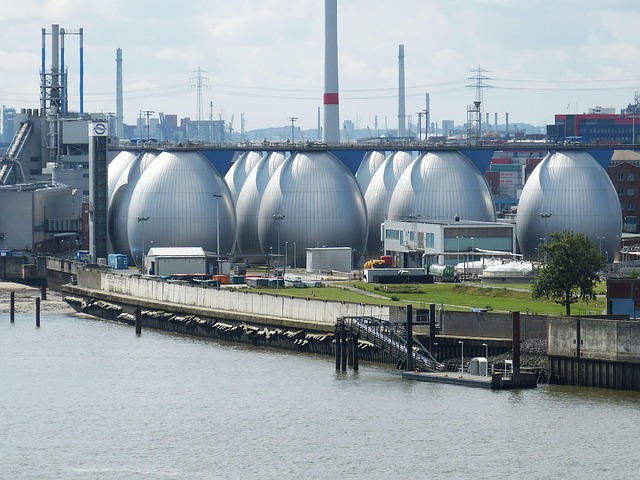
Denver’s premier on-site sewage treatment facilities play a vital role in maintaining the city’s cleanliness and environmental health. With a growing population and increasing commercial activities, effective sewage removal Denver has become more critical than ever. These systems, often overlooked, are the unsung heroes responsible for transforming raw sewage into treated water safe for reuse or discharge.
Regular maintenance and timely upgrades are essential to ensure these facilities operate at peak efficiency. Inadequate care can lead to costly breakdowns, environmental contaminants, and even health hazards. For instance, mold growth in sewage treatment systems is a common issue, particularly in older facilities, which can not only compromise water quality but also pose risks to workers’ health. Therefore, comprehensive maintenance routines that include regular inspections, cleaning, and replacement of worn-out components are indispensable. Denver’s businesses, especially those with on-site treatment plants, should prioritize sewage removal for businesses as a key aspect of their operational responsibility.
Upgrading ancient systems to modern, efficient technologies offers significant benefits. Advanced treatments like ultraviolet disinfection and enhanced biological processes can improve water quality, reduce energy consumption, and minimize environmental impact. For example, a recent study showed that implementing newer technology in Denver’s treatment plants led to a 20% reduction in operational costs and a notable decrease in the discharge of pollutants into local rivers. As such, investing in sewage removal Denver facilities’ modernization is not only beneficial for the environment but also economically viable. Regular assessment and timely upgrades ensure these critical infrastructure components continue to serve Denver’s diverse needs effectively.
Denver’s on-site sewage treatment facilities play a vital role in maintaining the city’s cleanliness and environmental sustainability. By understanding the diverse range of systems—from septic tanks to advanced treatment plants—residents can make informed choices for their properties, ensuring efficient sewage removal Denver relies on. This article has guided readers through the intricacies of these systems, from their basic functions to the benefits they offer. It underscores the importance of proper maintenance and upgrades to keep up with the city’s growing needs. Armed with this knowledge, Denverites are empowered to contribute to a cleaner, greener future for their community, solidifying the city’s reputation as a leader in sustainable practices.