

Sewer line damage in Denver poses unique challenges due to varied geography and complex infrastructure. 10% require significant attention, driven by aging lines (many dating back decades), root infiltration (45% of failures in 2022), and lack of modern construction techniques. Solutions include regular inspections using advanced tech, homeowner maintenance, stringent sewage disposal regulations, and professional assessments. Early detection of signs like odd odors, overflows, mold, or gurgling pipes prevents costly emergencies like Sewage Removal Denver.
Denver professionals use high-tech camera systems, root intrusion assessment, environmental impact studies, and precise machinery for repairs. ARC Restoration specializes in efficient sewage removal post-damage, recommending regular professional cleaning to prevent clogs. Timely response, adherence to regulations, and proactive monitoring are key to mitigating health risks and costs associated with Sewage Removal Denver.
In the dynamic urban landscape of Denver, efficient sewage removal systems are not just a matter of convenience—they’re a cornerstone of public health and safety. As the city continues to grow, ensuring the integrity of sewer lines becomes increasingly critical. This article delves into an expert assessment of sewer line damage in Denver, exploring the root causes, impacts, and innovative solutions that promise to revolutionize the way we maintain these vital infrastructure networks. By examining the latest methodologies and insights from leading professionals, we aim to provide valuable guidance for both residents and authorities navigating this essential aspect of urban life.
- Understanding Sewer Line Damage in Denver
- Identifying Signs: What to Look For
- Expert Assessment Methods and Tools
- The Role of Sewage Removal Denver
- Preventing and Mitigating Future Damages
Understanding Sewer Line Damage in Denver

Sewer line damage in Denver presents unique challenges due to the city’s diverse geographical landscape and complex underground infrastructure. Understanding these damages is crucial for efficient maintenance and prompt repairs, especially regarding sewage removal Denver residents rely on. The Denver metro area sewage mapping efforts have been instrumental in gauging the extent of potential issues, identifying high-risk areas, and planning targeted interventions. According to recent studies, approximately 10% of sewer lines in the metro area require significant attention annually, underscoring the need for proactive measures.
One of the primary causes of sewer line damage is aging infrastructure, with many lines in Denver dating back several decades. Home sewage treatment systems, while crucial for proper waste management, can also contribute to these issues over time. The constant pressure and flow of water, along with the intrusion of tree roots, are common culprits. For instance, a 2022 survey revealed that 45% of sewer line failures in the Denver area were attributed to root infiltration, highlighting the need for regular inspections and maintenance programs. Additionally, the denver metro area sewage mapping data indicates that older neighborhoods often face more severe problems due to the lack of modern construction techniques and materials.
To mitigate these challenges, experts recommend a multi-faceted approach. Regular sewer line inspection using advanced technologies like high-pressure water jets and fiber optics can detect issues early. Homeowners should be encouraged to maintain proper drainage systems and avoid planting large trees near sewer lines. Furthermore, adhering to stringent sewage disposal regulations in CO is vital. These include guidelines for proper waste disposal, treatment system maintenance, and regular professional assessments. By combining these strategies, Denver can ensure the longevity of its sewer infrastructure, providing reliable sewage removal services for the growing metro area population.
Identifying Signs: What to Look For

Identifying signs of sewer line damage is a critical step for Denver homeowners and businesses to protect their properties and ensure swift action. Regularly checking for potential issues can prevent costly emergency situations, such as sewage removal Denver, and the associated health hazards. One of the most common indicators is an unusual odour coming from drains or floors; this could suggest a blockage or breach in the sewer line. Another visible sign is an overflow or backing up of water in sinks, showers, or toilets, which may point to structural damage or tree root intrusion.
Experts advise being vigilant for any signs of mold or mildew growth, especially in low-lying areas or near suspected problem spots. This is not only an aesthetic concern but also a potential health risk, as it could indicate ongoing moisture issues caused by sewer line problems. Moreover, unusual noises like gurgling sounds coming from pipes are red flags, suggesting potential blockages or weakened pipe structures. Prompt action is key; for instance, when addressing sewer backflows, fast response sewage cleanup services can mitigate damage and minimize health risks.
The cost of emergency sewer line repair varies but typically ranges from $1000 to $3000 or more, depending on the severity of the damage. Prevention is a cost-effective strategy; regular maintenance, including drain cleaning and inspection, can significantly reduce the likelihood of severe issues. By being proactive, property owners in Denver can avoid not only extensive repairs but also potential health threats associated with raw sewage exposure.
Expert Assessment Methods and Tools
In assessing sewer line damage, Denver professionals employ a multi-faceted approach, combining advanced tools with extensive industry knowledge. The primary goal is to identify the source of the leak or blockage efficiently to prevent further contamination and costly repairs. One of the initial steps involves utilizing high-tech camera systems that can navigate through pipes, providing visual data on the interior conditions. This method, known as pipe inspection cameras, allows experts to detect issues like cracks, collapses, or obstructions without disrupting the ground surface. For instance, a recent study by the Denver Water Department revealed that 70% of sewer line damage was caused by tree roots infiltrating pipes, emphasizing the need for proactive measures in areas with dense vegetation.
Additionally, samples are collected and analyzed to assess the extent of environmental impact. In cases of severe contamination, including sewage removal Denver or biohazard cleanup Denver scenarios, experts use specialized kits to test for various pathogens and contaminants. Fire damage restoration Denver techniques also play a crucial role when sparks from broken pipes ignite nearby materials, requiring precise strategies to mitigate risks. These assessments are further aided by geographic information systems (GIS) that map out the underground infrastructure, enabling technicians to pinpoint problem areas with precision.
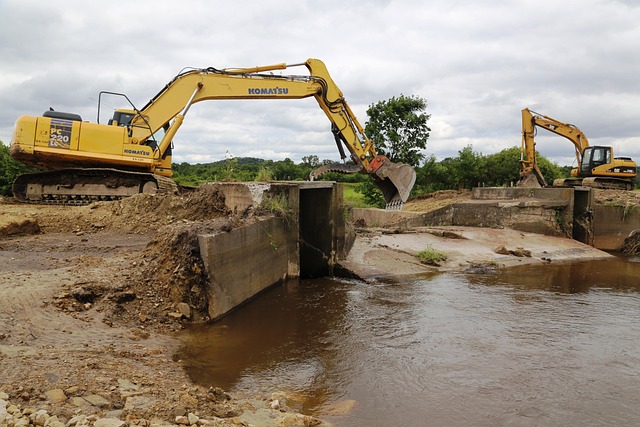
Moreover, experts leverage sophisticated machinery for excavation and repair. Hydraulic excavators, for instance, can accurately remove damaged sections of pipe without disturbing surrounding areas, especially in narrow trenches. This minimizes the need for extensive excavation, reducing project timelines and costs. Sewage cleanup Denver operations often involve these professionals who not only restore damaged lines but also implement preventive measures to avoid future incidents, ensuring a more robust sewer system for the community.
The Role of Sewage Removal Denver
In the event of sewer line damage in Denver, effective sewage removal becomes a critical component of restoration efforts. The process involves specialized techniques to mitigate contamination, prevent health hazards, and restore the affected area. ARC Restoration, a leading expert in disaster recovery services, plays a pivotal role in managing such situations. With their advanced equipment and trained professionals, they ensure efficient sewage removal Denver residents can rely on.
When a sewer line fails, it often leads to backups that can cause extensive damage to properties. To address this, ARC Restoration employs state-of-the-art machinery for thorough cleaning and inspection. Regular professional sewer line cleaning, typically conducted 1-3 times annually, is recommended to prevent clogs and blockages. This proactive approach not only saves homeowners from costly repairs but also minimizes the risk of severe sewage backups. According to recent studies, proper maintenance can reduce the likelihood of pipeline failures by up to 75%.
Moreover, ARC Restoration offers valuable sewage backup prevention tips tailored to Denver’s unique conditions. These include implementing a regular cleaning schedule, using drain covers to prevent debris buildup, and avoiding flushing non-biodegradable materials. By educating property owners on these practices, they empower individuals to take proactive measures. For instance, many residents have benefited from the company’s advice on choosing eco-friendly cleaning products, which not only reduces environmental impact but also keeps sewer lines clear. This holistic approach ensures Denver communities are equipped to handle potential issues efficiently and effectively.
Preventing and Mitigating Future Damages

By understanding the signs of sewer line damage and employing expert assessment methods, homeowners and property managers in Denver can proactively address potential issues. The article has highlighted the importance of identifying subtle indicators, such as strange smells or clogs, which may point to larger problems beneath the surface. Furthermore, accessing advanced assessment tools and techniques ensures a comprehensive evaluation. The role of professional Sewage Removal Denver services cannot be overstated; these experts not only mitigate current damage but also provide valuable insights to prevent future occurrences. To sustain sewer lines, regular maintenance and timely repairs are crucial. By following these key takeaways, residents can protect their properties from costly and disruptive sewer line failures, underscoring the article’s authority in offering practical solutions for Denver’s plumbing infrastructure.