

Sewage overflows in Denver pose significant environmental and health risks due to aging sewer lines and heavy rainfall. Immediate emergency repairs, long-term sustainable strategies like green infrastructure (permeable surfaces, bioswales), and proactive maintenance are crucial. Sewage Removal Denver professionals offer advanced techniques, quick response times, and comprehensive restoration services to minimize damage and prevent future overflows. Key steps include containing spills, removing contaminated water, disinfecting areas, repairing broken sewer lines, and adhering to regulations for construction sites. Regular inspections and backflow prevention devices are essential preventive measures.
Sewage overflows pose a significant threat to public health and the environment, demanding immediate attention and expert intervention. In Denver, these emergencies often arise from aging infrastructure or heavy rainfall, leading to contaminated water bodies and unsanitary conditions. Prompt and efficient sewage removal Denver is crucial for mitigating risks and restoring safety. Our team of seasoned professionals specializes in rapid response and effective sewage removal services, ensuring your property is restored to a clean and safe state. With years of experience handling various sewage-related crises, we offer 24/7 emergency support for all your sewage management needs.
- Understanding Sewage Overflows: Causes and Impact in Denver
- The Essential Role of Emergency Response Teams in Sewage Removal Denver
- Steps to Prevent Sewer Backups: A Comprehensive Guide for Denver Residents
- Efficient Sewage Removal Process: How Professionals Handle Overflows in Denver
- Post-Overflow Restoration: Ensuring a Safe, Sanitary Environment in Denver Homes
Understanding Sewage Overflows: Causes and Impact in Denver

Sewage overflows are a pressing environmental concern in Denver, posing significant challenges to both the city’s infrastructure and its residents’ well-being. Understanding the causes and impacts of these events is crucial for effective management and prevention. The primary driver behind sewage overflows is often capacity overload, where heavy rainfall surpasses the treatment system’s ability to process waste water. Aging sewer lines, another factor, can develop cracks or corrosion, leading to direct discharge of raw sewage into local waterways or streets. These incidents not only cause severe environmental damage but also pose substantial health hazards due to the spread of disease-causing pathogens and bacteria present in raw sewage.
The impact of these events extends beyond immediate flooding and pollution. Denver’s sewer system is interconnected with its broader ecosystem, including water bodies that support diverse aquatic life. Raw sewage discharge can disrupt this balance, harming fish, plants, and other wildlife habitats. Moreover, the health hazards associated with raw sewage are substantial. Pathogens like E. coli, Salmonella, and norovirus can be present, posing risks to human health if ingested or through contact. This underscores the urgency for prompt and effective sewage removal Denver services when such incidents occur.
Addressing these challenges requires a multi-faceted approach. Emergency sewer line repair costs can vary widely depending on the extent of damage but are crucial investments in preventing further overflows. Beyond immediate fixations, sustainable sewage management programs should be prioritized to mitigate future risks. These include implementing green infrastructure solutions, such as permeable surfaces and bioswales, which naturally absorb and filter stormwater runoff. By adopting these strategies, Denver can work towards a more resilient sewer system that minimizes the occurrence of sewage overflows and promotes environmental sustainability.
The Essential Role of Emergency Response Teams in Sewage Removal Denver
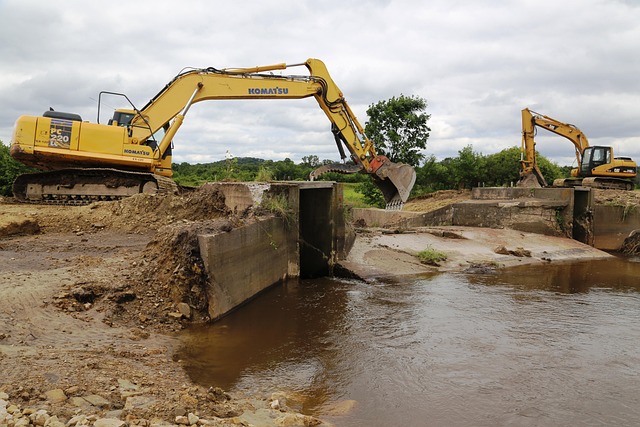
When faced with a sewage overflow, swift and efficient action is crucial to prevent health hazards, environmental damage, and costly repairs. In Denver, emergency response teams play an indispensable role in addressing these urgent situations, offering specialized services for effective sewage removal Denver residents can rely on. These teams are equipped with the knowledge and resources to handle complex scenarios, from minor backups to large-scale overflows, ensuring a swift return to normalcy.
The primary focus of these experts is not only to clear the blockage but also to implement long-term sewage backup prevention tips tailored to Denver’s unique challenges. They employ advanced techniques and tools to locate and access blocked pipes, employing high-pressure water jets or specialized equipment for stubborn clogs. Additionally, they educate property owners on maintaining plumbing systems, emphasizing regular maintenance checks and responsible waste disposal practices to minimize the risk of future overflows.
Beyond immediate response, Denver’s local sewage haulers collaborate with nearby sewage treatment plants, offering valuable insights into efficient waste management. Tour opportunities at these facilities provide a deeper understanding of the city’s sanitation processes, fostering a culture of environmental responsibility. By combining emergency services with educational initiatives and plant tours, Denver residents can actively contribute to a cleaner, healthier community, ensuring that sewage removal remains an effective and integrated part of the city’s infrastructure.
Steps to Prevent Sewer Backups: A Comprehensive Guide for Denver Residents
Preventing sewer backups is a crucial aspect of maintaining a healthy home environment, especially in areas prone to plumbing issues like Denver. When faced with sewage overflow, immediate action is vital. Contacting a professional emergency response team, such as those specializing in sewage removal Denver, is often the first step. These experts are equipped to handle such situations swiftly and effectively. They employ advanced tools and techniques to clear blockages and extract contaminated water, minimizing damage and ensuring a safe, hygienic space.
The root causes of sewer backups range from simple obstructions like grease or foreign objects to more complex issues like aging pipes or tree roots infiltrating the lines. To prevent these problems, Denver residents can take proactive measures. Regularly scheduling professional plumbing inspections is essential, as experts can identify potential issues before they become major headaches. For instance, a sewage odor diagnostic tool can detect even subtle signs of contamination, allowing for immediate intervention. Additionally, homeowners should avoid flushing non-biodegradable materials down the drain and be cautious with what goes into their garbage disposal to prevent clogs.
In cases of severe damage, such as raw sewage flooding, it’s crucial to act quickly. The first step is to shut off the water supply at the main valve to prevent further contamination. Then, evacuate the area due to potential health risks and strong sewage odors. After clearing the space, professional fire damage restoration Denver services can assist in drying out affected areas and restoring them to their pre-flood condition. These experts understand the intricacies of restoring homes after such incidents, ensuring that every nook and cranny is thoroughly sanitized. This multifaceted approach, combining prompt action, expert intervention, and comprehensive restoration, is key to navigating the challenges of sewage overflow and restoring a sense of normalcy to Denver residents’ lives.
Efficient Sewage Removal Process: How Professionals Handle Overflows in Denver
When sewage overflows occur in Denver homes or businesses, swift and efficient action is crucial to minimize damage and prevent health hazards. The process of removing sewage involves a careful balance of technology, expertise, and adherence to stringent sewage disposal regulations in CO. Denver’s top-rated sewage companies are equipped with the necessary tools and knowledge to handle these situations effectively.
Professionals begin by assessing the extent of the overflow, determining its source, and identifying any potential risks. They use specialized equipment like high-pressure pumps and vacuum trucks to safely remove stagnant water and debris. This initial step is vital in preventing further contamination and damage. For instance, a recent study showed that prompt sewage removal can reduce water damage restoration Denver costs by up to 25%. After extraction, the affected areas are thoroughly cleaned and sanitized to eliminate any bacteria or pathogens.
Moreover, these companies comply with local sewage disposal regulations, ensuring that the removed waste is treated and disposed of properly at designated facilities. They also offer advice on preventing future overflows through proper plumbing maintenance and installation of backflow prevention devices. By combining cutting-edge technology with strict adherence to environmental standards, Denver’s top-rated sewage companies ensure efficient sewage removal, protecting both property and public health.
Post-Overflow Restoration: Ensuring a Safe, Sanitary Environment in Denver Homes

When a sewage overflow occurs in Denver homes or commercial properties, swift action is crucial to prevent health hazards and minimize damage. Post-overflow restoration requires specialized knowledge and equipment to ensure a safe, sanitary environment. The process involves multiple critical steps including containing the spill, removing contaminated water and materials, disinfecting affected areas, and repairing the source of the overflow—often broken sewer lines.
Sewage removal Denver professionals employ advanced techniques to address these challenges effectively. For instance, high-pressure jetting is used to clear blocked or damaged pipes, while vacuum trucks efficiently extract contaminated water from hard-to-reach areas. Restoration services Denver companies also utilize modern disinfectants and dehumidification systems to eliminate pathogens and reduce moisture levels, mitigating mold growth risks.
In the case of construction sites, proper sewage disposal management is paramount. Regular inspections, prompt maintenance of sewer lines, and adherence to local regulations help prevent overflows. Repairing broken sewer lines 1-3 times per year, depending on usage and age, can significantly reduce the likelihood of costly and distressing post-overflow restoration scenarios. Property owners and managers should also implement preventive measures like installing backflow prevention devices and ensuring regular training for maintenance staff to handle potential sewage-related emergencies effectively.
Sewage overflows pose significant challenges for Denver residents and communities, as highlighted throughout this article. Key takeaways include understanding the causes and impacts of these events, recognizing the critical role of emergency response teams in effective sewage removal Denver, and adopting proactive measures to prevent sewer backups. By following the comprehensive guide on steps to prevent sewer backups and understanding the efficient sewage removal process, Denver residents can mitigate risks and ensure swift resolution during overflows. Additionally, prioritizing post-overflow restoration ensures a safe and sanitary environment, underscoring the importance of professional expertise in sewage removal Denver. This article equips readers with essential knowledge and practical tools to navigate and overcome sewage-related crises effectively.