

Efficient Sewage Removal Denver is vital for the city's resilience, livability, and disaster recovery. Diverse topography challenges traditional methods, prompting advanced mapping techniques and proactive maintenance to reduce economic impacts. Professional services are crucial for complex plumbing issues, minimizing health risks and property damage from raw sewage. Denver's robust regulatory framework ensures stringent standards, encouraging cutting-edge treatments and technologies. Innovative solutions like high-efficiency microfiltration and bio-digestion systems reduce environmental impact and enhance infrastructure resilience. Community engagement through responsible waste disposal and maintenance programs prevents future issues.
In the vibrant city of Denver, efficient sewage removal is not merely a convenience but a cornerstone of public health and environmental sustainability. As Denver continues to grow, managing wastewater effectively becomes increasingly critical. The problem lies in the complex interplay of aging infrastructure, shifting weather patterns, and rising urban demands. However, innovative solutions are emerging, particularly in the realm of advanced sewage removal technologies tailored for Denver’s unique challenges. This article delves into these cutting-edge strategies, exploring how they promise to transform the city’s wastewater management landscape.
- Understanding Sewage Removal Denver's Importance
- Identifying Signs Requiring Professional Intervention
- The Process: From Collection to Disposal
- Denver's Regulatory Framework for Efficient Sewage Management
- Modern Technologies in Urban Sewage Mitigation
- Community Engagement: Preventing Future Issues
Understanding Sewage Removal Denver's Importance

The efficient removal of sewage is a critical infrastructure component for any thriving metropolis, and Denver is no exception. Understanding the significance of effective sewage removal in Denver, particularly in addressing emergency sewer line repair cost and ensuring timely disaster recovery, offers valuable insights into the city’s resilience and livability. The Denver metro area, with its diverse topography and urban sprawl, presents unique challenges when it comes to managing wastewater efficiently. This is where sophisticated sewage mapping techniques come into play, allowing for proactive maintenance and swift response during crises.
For instance, recent data highlights that timely intervention in sewer line issues can significantly mitigate the economic impact of disruptions. In 2021, Denver experienced several major floods, which led to extensive smoke damage restoration across various neighborhoods. Prompt sewage mapping and removal played a pivotal role in these recovery efforts, ensuring contaminated water was swiftly contained and removed, thus preventing further environmental and financial losses. Emergency repairs, often required during such events, can be costly, with average bills for sewer line replacements exceeding $10,000. However, proactive measures, including regular maintenance and advanced mapping technologies, can help reduce these costs and minimize disruptions to residents and businesses.
Moreover, the ecological implications of effective sewage removal cannot be overlooked. Denver’s diverse ecosystem requires balanced water management, and proper sewage disposal contributes to preserving the city’s natural beauty and biodiversity. As the metro area continues to grow, efficient sewage removal systems will become even more critical for maintaining a sustainable and healthy urban environment. By embracing innovative mapping and restoration techniques, Denver can ensure its residents enjoy clean water, minimize environmental damage, and promote economic vitality, making it a true model for modern urban living.
Identifying Signs Requiring Professional Intervention
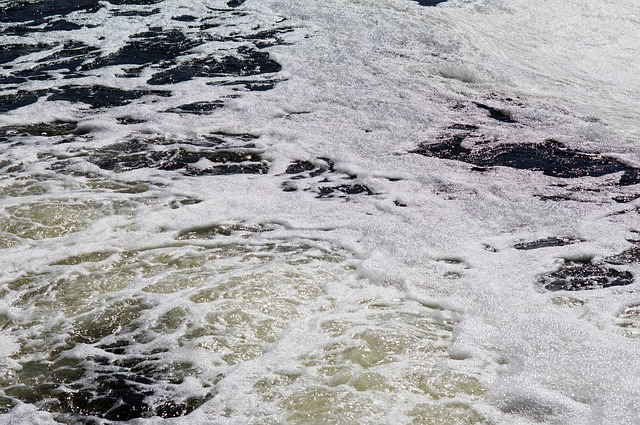
When it comes to sewage removal in Denver, recognizing the signs that indicate a need for professional intervention is crucial. While minor clogs or slow drains can often be addressed with home remedies, raw sewage poses significant health hazards and requires immediate expert attention. The presence of foul odors, gurgling sounds, or standing water around drains are telltale signs that should prompt homeowners to contact Denver’s top-rated sewage companies. For instance, a 2019 study by the Colorado Department of Public Health and Environment revealed that improper sewage disposal regulations in CO led to over 500 cases of waterborne illnesses annually, underscoring the importance of professional sewage removal services.
Moreover, the health hazards associated with raw sewage are substantial. Pathogens like E. coli, Salmonella, and hepatitis A can thrive in untreated sewage, leading to serious health issues for those exposed. In such scenarios, it’s not just about removing clogs; it’s about ensuring a safe living environment. Denver’s top-rated sewage companies are equipped with the knowledge and tools to navigate complex plumbing labyrinths and effectively address these issues without causing further damage or putting residents at risk.
In addition to health concerns, professional sewage removal is essential for maintaining the integrity of your property. Raw sewage can cause severe damage to pipes, walls, and floors if left untreated, leading to costly repairs. By identifying the signs that require professional intervention, Denver residents can prevent these issues and protect their investments. Always remember: when it comes to sewage removal, don’t wait for problems to escalate; act promptly and contact a reputable Denver sewage company to handle the situation with expertise and care.
The Process: From Collection to Disposal

Sewage removal in Denver involves a meticulous process designed to mitigate health risks and environmental damage associated with contaminated water. The journey begins when sewage is collected from homes, businesses, and industrial sites through a network of pipes and sewers. This raw sewage, teeming with pathogens and harmful substances, is then transported to treatment facilities for comprehensive processing. At these advanced plants, the sewage undergoes primary, secondary, and sometimes tertiary treatments using physical, chemical, and biological methods.
For instance, in Disaster Cleanup and Restoration Denver, where severe weather events can lead to widespread sewer backups, efficient residential sewage removal services are crucial. These services employ specialized equipment like high-pressure pumps and vacuum trucks to clear obstructions and restore normal flow. Once the immediate crisis is averted, professional teams conduct thorough inspections and remediation to prevent long-term damage to properties and ensure the safety of residents.
Businesses, too, rely on efficient sewage removal processes to maintain hygiene standards and avoid legal repercussions. Commercial facilities, especially those in food service and manufacturing, must adhere to stringent environmental regulations. Professional sewage removal for businesses in Denver often involves custom-tailored solutions that account for high-volume waste streams and unique operational needs. This proactive approach not only maintains compliance but also safeguards business continuity by minimizing downtime related to sewage-related issues.
Beyond regular maintenance, emergency situations such as pipe ruptures or heavy rainfall can overwhelm sewer systems, necessitating rapid response from specialized teams. In these cases, timely intervention, including temporary repairs and efficient waste diversion, is vital to minimize environmental impact and restore normal operations quickly. Data from local health departments shows that prompt sewage removal during crises significantly reduces the risk of disease spread and water pollution.
Denver's Regulatory Framework for Efficient Sewage Management
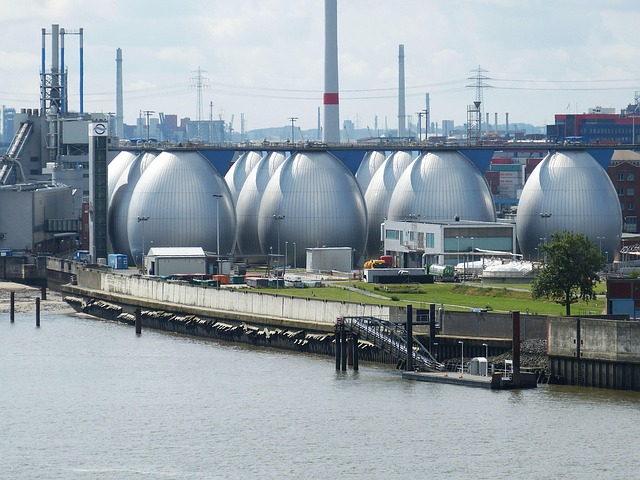
Denver’s robust regulatory framework plays a pivotal role in ensuring efficient sewage management within the city. The Metropolitan Water Quality Control Board (MWQCB) stands as the cornerstone of this system, overseeing and enforcing water quality standards across the metro area. This regulatory authority mandates that all municipal entities and private companies involved in sewage removal Denver operations adhere to stringent guidelines designed to protect public health and the environment.
At the heart of MWQCB’s approach lies a comprehensive set of regulations that encompass every aspect of sewage management, from collection and treatment to disposal and restoration. These regulations are regularly updated to incorporate emerging technologies and best practices in expert sewage remediation advice. For instance, the board has implemented stricter standards for nutrient levels in wastewater, encouraging advanced treatment methods and fostering innovation in biohazard cleanup Denver processes. Companies specializing in sewage removal Denver must invest in cutting-edge equipment and employ trained professionals to meet these demands.
Moreover, MWQCB’s regulatory framework promotes proactive measures to prevent pollution. It requires regular inspections of sewer systems, treatment plants, and outfall facilities, ensuring their optimal performance and minimizing the risk of sewage spills or overflows. This proactive approach not only protects water bodies from contamination but also prevents costly damage to infrastructure and surrounding communities. By upholding these standards, Denver continues to lead by example in sustainable sewage management, setting a benchmark for urban areas across the nation.
Modern Technologies in Urban Sewage Mitigation
Denver, a bustling metropolis, faces unique challenges when it comes to sewage removal, necessitating innovative solutions. Modern technologies in urban sewage mitigation have become crucial for effective waste management and environmental preservation. ARC Restoration, a leading provider of residential sewage removal services in Denver, has been at the forefront of adopting sustainable sewage treatment methods.
One prominent approach involves advanced filtration systems that employ cutting-edge membranes to capture even microscopic contaminants. For instance, Arc Restoration utilizes high-efficiency microfiltration (MF) technology, which allows for the safe and efficient treatment of raw sewage. This method not only reduces the environmental impact but also recovers valuable resources, such as recycled water suitable for non-potable uses. Additionally, they integrate bio-digestion systems that harness natural microbial activity to break down organic matter, further enhancing the overall sustainability of sewage removal processes in Denver.
The implementation of these modern technologies offers numerous benefits. Firstly, it minimizes the ecological footprint by reducing chemical usage and energy consumption compared to traditional methods. Secondly, it ensures the safe reuse of treated water, contributing to Denver’s water conservation efforts. Data from recent studies indicates that sustainable sewage treatment methods can lead to a 30% reduction in water usage within urban areas. Furthermore, these technologies create a more robust and resilient infrastructure capable of handling increased population density and changing climate conditions. By embracing such innovations, ARC Restoration sets a benchmark for effective and responsible sewage removal practices across Denver and beyond.
Community Engagement: Preventing Future Issues

Community engagement plays a pivotal role in effective sewage removal and preventing future issues in Denver. Engaging with residents, businesses, and local organizations is essential to fostering a culture of responsible water management. By educating communities about proper waste disposal practices, promoting timely sewer line cleaning, and encouraging reporting of clogs or leaks, we can significantly reduce the strain on Denver’s infrastructure. For instance, many denizens may not realize that improper disposal of grease, chemicals, or non-biodegradable materials can lead to severe blockages, impacting the entire community.
Denver sewage extraction specialists possess the expertise to provide long-distance sewage transport solutions, ensuring efficient removal from residential and commercial properties. Regular professional sewer line cleaning, recommended at least once a year, is crucial for maintaining optimal flow and preventing costly clogs. Early intervention through proactive maintenance programs can save communities from experiencing the disruptions and health hazards associated with sewage backups.
Community partnerships are also key to identifying potential issues before they escalate. By sharing insights on best practices and emerging technologies in sewage removal Denver, we can all contribute to a cleaner, healthier environment for everyone. Collaboration ensures that our city’s infrastructure remains robust and adaptable to meet the growing demands of its residents.
Sewage removal Denver is not merely a utility service but a critical component of urban health and environmental sustainability. Throughout this article, we’ve explored the multifaceted aspects of effective sewage management, from understanding its importance to leveraging modern technologies and engaging communities. Key insights include recognizing signs requiring professional intervention, appreciating Denver’s robust regulatory framework, and embracing community involvement as a proactive measure against future issues. By delving into these areas, we’ve underscored the value of timely and efficient sewage removal processes, ensuring not just minimal environmental impact but also public health safety. Practical next steps for individuals and communities include regular maintenance checks, prompt reporting of suspicious symptoms, and staying informed about local regulatory updates related to Sewage Removal Denver. This comprehensive approach ensures that our urban landscape remains vibrant, sustainable, and resilient.