
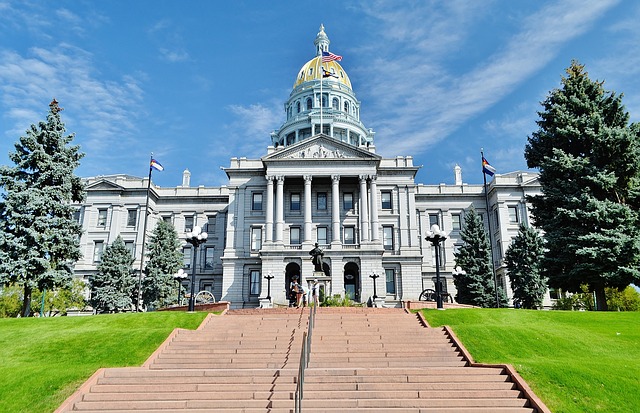
Sewage removal Denver demands specialized strategies due to city's unique geography and density. Robust infrastructure complements tailored plans integrating efficient removal, treatment, and recycling (e.g., bioswales). Regular inspections, prompt reporting, and adherence to local regulations ensure success. Advanced technologies and knowledge of evolving standards ensure compliance, address complex challenges, and foster Denver's sustainable future. After emergencies, professional restoration services employ advanced equipment for decontamination and skilled rebuilding.
In the dynamic city of Denver, swift and effective sewage removal is not just a service—it’s a cornerstone of community health and safety. With diverse climates and terrain, navigating sewage cleanup effectively is paramount for both residents and industry professionals alike. This authoritative piece delves into essential tips from seasoned industry leaders in Denver, offering practical insights into efficient and safe sewage removal processes. By exploring proven methodologies tailored to the unique challenges of this vibrant metropolis, we aim to equip readers with valuable knowledge that ensures prompt and thorough cleanup, fostering a cleaner, healthier Denver for all.
- Understanding Sewage Cleanup Processes in Denver
- Essential Tools and Techniques for Effective Removal
- Post-Cleanup: Restoring Your Space Safely in Denver
Understanding Sewage Cleanup Processes in Denver

Understanding Sewage Cleanup Processes in Denver is a critical aspect of maintaining a healthy environment and ensuring public safety. When it comes to sewage removal Denver faces unique challenges due to its geographical features and urban density. The city’s robust infrastructure includes advanced sewage disposal systems, but construction sites often require specialized attention for effective sewage management. For instance, a recent study by the Denver Water Board revealed that proper sewage disposal for construction areas can significantly reduce water pollution, underscoring the need for industry leaders to employ best practices.
Expert advice emphasizes long-term sewage management plans tailored to Denver’s specific needs. This involves not only efficient removal but also treating and recycling wastewater wherever possible. For instance, Denver has pioneered green sewage solutions, such as the use of bioswales and permeable surfaces in urban planning, which help manage stormwater runoff and reduce the strain on traditional sewage systems. These initiatives not only support sustainable practices but also align with the city’s commitment to environmental stewardship. By integrating cutting-edge technologies and eco-conscious methods, industry leaders can ensure effective sewage cleanup while contributing to Denver’s vibrant and resilient future.
Practical insights from seasoned professionals underscore the importance of proactive measures. Regular inspections, prompt reporting of issues, and adherence to local regulations are key components of successful long-term management. Additionally, staying informed about Denver’s evolving environmental standards ensures compliance and minimizes disruptions during cleanup operations. For instance, adopting advanced filtration systems or implementing site-specific mitigation strategies can be game-changers in addressing complex sewage challenges. Ultimately, a comprehensive approach that balances efficiency, sustainability, and regulatory adherence is the cornerstone of effective sewage removal and management in Denver.
Essential Tools and Techniques for Effective Removal

When it comes to effective sewage removal in Denver, industry leaders emphasize the importance of the right tools and techniques. For residential or commercial properties affected by sewer backup or flooding, swift and thorough cleanup is crucial to prevent damage and ensure health and safety. Professional Denver sewage removal services utilize specialized equipment designed for efficient decontamination and debris removal. High-pressure water cleaners and industrial vacuums are staple tools for clearing sewage, as they can effectively dislodge and suck up contaminated materials without causing further destruction.
For larger-scale projects like construction sites, where denver sewage removal services reviews often highlight the need for specialized handling, robust machinery is indispensable. Heavy-duty pumps capable of handling high volumes of water and waste are essential for quick disposal. Additionally, roof restoration Denver techniques play a significant role in post-sewage cleanup, addressing potential damage to roofing materials and ensuring structural integrity. Proper containment and debris separation strategies, implemented by experienced professionals, prevent the spread of contaminants and facilitate efficient sewage disposal, especially on construction sites where strict environmental regulations apply.
Experts also recommend implementing preventative measures like regular maintenance checks and installing backflow prevention devices to minimize future incidents. By combining advanced tools with meticulous techniques, Denver sewage removal services can provide effective solutions, leaving properties restored and residents safe. Remember, timely action is paramount; quick response times can make a substantial difference in mitigating damage and ensuring a smoother recovery process.
Post-Cleanup: Restoring Your Space Safely in Denver

After a sewage removal Denver emergency, restoring your space safely is paramount. This involves more than just cleaning visible messes; it requires meticulous decontamination to prevent health hazards and minimize property damage. Denver’s top-rated sewage companies employ specialized techniques and commercial sewage treatment solutions tailored for various scenarios, from residential homes to large-scale commercial properties.
Expert advice emphasizes the importance of professional assessment before beginning any restoration process. Sewage removal Denver specialists use advanced equipment to detect potential contamination hotspots, ensuring a comprehensive decontamination strategy. For instance, using moisture meters and air quality monitors, these professionals identify hidden pockets of water and harmful airborne pathogens that could remain after a sewage event. This data-driven approach allows for targeted cleaning and disinfection, eradicating bacteria, viruses, and fungi responsible for serious health risks.
Restoration involves multiple steps, including structural drying, decontamination, and rebuilding affected areas. Denver’s leading companies employ advanced drying techniques to swiftly reduce moisture levels below safe thresholds, preventing mold growth and structural damage. Subsequent decontamination uses EPA-approved disinfectants to sanitize surfaces, floors, and structures. Finally, skilled technicians meticulously rebuild and refurbish damaged areas, ensuring your space not only looks good as new but is also safe for occupants. By prioritizing professional assistance and following expert protocols, Denver residents can effectively restore their properties after a sewage removal event.
By understanding the intricacies of sewage cleanup processes in Denver, utilizing approved tools and techniques, and adhering to safe restoration practices after removal, residents and businesses can effectively mitigate damage and ensure a healthy environment. Key takeaways include investing in specialized equipment for thorough but safe removal, following industry-backed methods to prevent contamination, and employing professional restoration techniques post-cleanup. For those facing sewage removal in Denver, these steps are essential for restoring spaces to their pre-contaminated states while prioritizing safety and minimizing disruption. This article provides authoritative guidance, empowering readers with the knowledge to navigate sewage cleanup confidently and effectively.