

Denver's sewage removal system is a sophisticated, decentralized network treating waste at source to minimize environmental impact. Key components include advanced treatment plants, temporary facilities for construction sites, and innovative technologies like MBRs. Strict regulatory compliance ensures high standards. The system plays vital roles in disaster cleanup, water recycling, and preserving natural resources. Expert emergency response teams swiftly restore service after floods or fires, adhering to EPA guidelines. Choosing experienced providers is crucial for effective sewage removal and damage restoration in Denver.
Denver’s rapid growth has placed significant demands on efficient sewage removal systems. The city’s diverse topography presents unique challenges for managing wastewater, particularly in areas with limited access to traditional centralized treatment facilities. This article delves into Denver’s premier on-site sewage treatment facilities, exploring their role as innovative solutions for sustainable and effective waste management. By examining these cutting-edge technologies, we gain insights into how Denver is navigating the complex landscape of urban growth while ensuring a cleaner, healthier future for its residents.
- Understanding Denver's On-Site Sewage System
- Types of Sewage Treatment Facilities in Denver
- The Process: How These Plants Work
- Environmental Impact and Regulatory Compliance
- Choosing the Best Sewage Removal Denver Experts
Understanding Denver's On-Site Sewage System

Denver’s on-site sewage treatment system is a sophisticated network designed to handle the city’s diverse wastewater needs, ensuring efficient sewage removal Denver residents and businesses rely upon. This decentralized approach, where waste is treated at the source rather than transported to centralized facilities, has both environmental and economic benefits. The system comprises various types of on-site systems, including septic tanks, advanced treatment units, and bioswales, each tailored to specific land uses and development scenarios.
Expert sewage remediation advice emphasizes the importance of understanding local regulations and soil conditions for successful long-term sewage management plans. Denver’s Department of Public Works provides comprehensive guidelines for installing and maintaining these on-site systems, ensuring they meet stringent environmental standards. For instance, commercial properties often require advanced treatment solutions, such as aerobic digesters or membrane bioreactors, to mitigate nutrient levels and achieve high-quality effluent. These technologies not only comply with regulatory requirements but also contribute to the preservation of local water bodies by reducing the ecological footprint of sewage discharge.
By adopting efficient on-site sewage treatment practices, Denver leads the way in sustainable water management. This approach allows for more flexible and cost-effective solutions compared to traditional centralized systems, particularly in rural or remote areas where infrastructure development is challenging and costly. Moreover, it promotes responsible land use by minimizing the environmental impact of wastewater discharge, ensuring that Denver’s vibrant urban landscape can continue to thrive while preserving its natural resources for future generations.
Types of Sewage Treatment Facilities in Denver
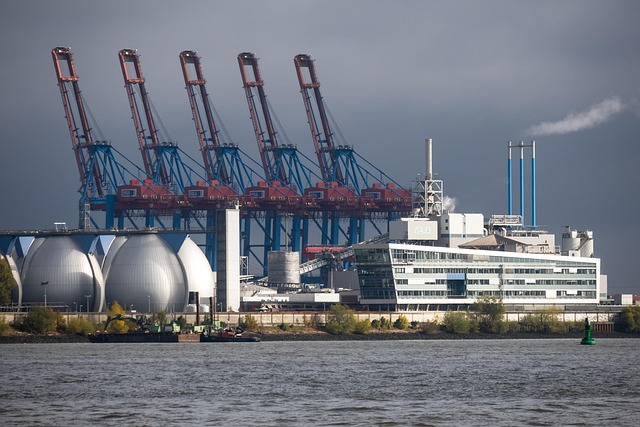
Denver, with its rapidly growing population and diverse industries, relies heavily on effective sewage removal to maintain a clean and healthy environment. The city boasts several premier on-site sewage treatment facilities that cater to both residential and commercial needs, employing cutting-edge technologies for efficient waste management. These facilities are classified into various types, each optimized for specific applications, ensuring tailored solutions for Denver’s diverse sewage challenges.
One prominent category is the advanced treatment plants designed for municipal use. These facilities utilize sophisticated processes like activated sludge, where bacteria break down organic matter in a controlled environment. For instance, the Denver Water Plant employs this method to treat millions of gallons of wastewater daily, setting a benchmark for water recycling and reuse in the region. Another type includes decentralized systems ideal for multi-family housing and commercial buildings. These smaller-scale treatments plants offer flexibility and cost-effectiveness while adhering to strict environmental standards. Local Denver sewage haulers play a crucial role in maintaining these systems by providing regular maintenance services, ensuring optimal performance and minimizing environmental impact.
Construction sites pose unique challenges due to fluctuating water usage and potential contamination. Specialized temporary sewage treatment facilities address these issues, employing methods like gravity-based separation and filtration. These mobile solutions enable construction managers to implement safe sewage cleanup practices, preventing soil and groundwater pollution. Furthermore, Denver’s commitment to sustainable development has led to the adoption of innovative technologies like membrane bioreactors (MBRs) in select industrial facilities, offering highly efficient treatment while reducing footprint.
When it comes to sewage disposal for construction sites, understanding local regulations is paramount. Denver’s Department of Public Works provides guidelines ensuring proper management and treatment of construction site runoff. Expert advice suggests implementing best practices like regular monitoring, utilizing absorbents for spill response, and employing erosion control measures to minimize sediment runoff. By adhering to these standards, local contractors contribute to the overall health of Denver’s sewage system while promoting safe cleanup practices.
The Process: How These Plants Work
Denver’s on-site sewage treatment facilities play a critical role in maintaining environmental cleanliness and public health across the metro area. These plants employ advanced technologies to effectively process and remove sewage, ensuring that effluent meets stringent regulatory standards before discharge into local water bodies. The primary process involves multiple stages: preliminary treatment, biological digestion, and final clarification.
During preliminary treatment, incoming sewage passes through screens to remove large solids like toys or rags. This step also includes skimming, where oil and grease rise to the surface for collection. Afterward, the sewage flows into aeration tanks where air is pumped in, fostering the growth of beneficial bacteria that break down organic matter. This biological digestion process significantly reduces the amount of organic pollutants and nutrients in the water.
The treated effluent then enters clarification tanks, which use gravity and coagulants to remove remaining suspended particles. This final stage ensures the effluent is safe for release back into Denver’s waterways or for reuse in irrigation systems. In addition to routine operations, these facilities are crucial during disaster cleanup and restoration in Denver. Emergency sewage cleanup services must promptly address overflows or spills, employing specialized equipment and techniques to contain and remove contaminated water, minimizing environmental impact and public health risks. Regular maintenance and advanced treatment technologies make Denver’s on-site sewage removal systems reliable, efficient, and adaptable to both typical operations and unexpected crises.
Environmental Impact and Regulatory Compliance

Denver’s on-site sewage treatment facilities play a critical role in maintaining environmental health and ensuring regulatory compliance. These operations are particularly vital in a rapidly growing metropolis like Denver, where efficient sewage removal is essential to prevent water pollution and preserve ecosystems. The city’s diverse topography presents unique challenges, necessitating tailored solutions for fast response sewage cleanup across various terrains. For instance, repairing broken sewer lines in hilly areas requires specialized techniques to mitigate soil erosion and maintain the integrity of underground infrastructure.
Regulatory bodies, such as the Colorado Department of Public Health and Environment (CDPHE), strictly oversee these facilities to meet stringent standards. Compliance involves advanced treatment processes that not only reduce biological contaminants but also address emerging pollutants like pharmaceuticals and microplastics. Leading facilities in Denver employ innovative technologies like advanced oxidation processes and membrane filtration to achieve high-quality effluent, minimizing environmental impact. Furthermore, integration of sustainable practices, such as reclaimed water usage for non-potable applications, further reduces the ecological footprint of sewage removal operations.
Beyond routine maintenance, emergency response is a cornerstone of these facilities’ operations. Fast response sewage cleanup during natural disasters like floods or fires is crucial to prevent widespread environmental damage and public health risks. In cases of fire damage restoration in Denver, for example, prompt containment and disposal of contaminated water are paramount. Expert teams work tirelessly to repair broken lines, restore service, and ensure that affected areas meet strict water quality standards before reopening. This holistic approach ensures not only the safety of Denver residents but also the preservation of the city’s natural beauty and biodiversity.
Choosing the Best Sewage Removal Denver Experts
When it comes to selecting the best sewage removal Denver has to offer, property owners and managers face a crucial decision. The aftermath of a raw sewage flood can be devastating, impacting not only the physical structure but also the health and safety of occupants. With numerous Denver sewage extraction specialists in the market, understanding what sets apart exceptional professionals is essential for effective damage restoration.
Expertise and certification are paramount. Reputable sewage removal Denver experts should possess the necessary licenses and certifications to handle such hazardous materials safely and legally. For instance, the Environmental Protection Agency (EPA) offers guidelines for managing and disposing of sewage, ensuring professionals adhere to these standards during extraction and cleanup processes. This minimizes environmental contamination and protects individuals from potential health risks associated with raw sewage.
Beyond certification, years of experience can significantly impact the quality of service. Established Denver sewage extraction specialists often have a proven track record of handling various sewage damage restoration scenarios. They understand the complexities of different situations, from minor leaks to extensive floods, and tailor their response accordingly. For example, a company with a history of successfully restoring commercial properties after major sewer line breaks can offer valuable insights into navigating insurance claims, coordinating with local authorities, and ensuring a swift return to normalcy for businesses affected by sewage damage near me.
Denver’s on-site sewage treatment facilities play a vital role in maintaining environmental health and sustainability within the city. By understanding the diverse types of plants and their intricate processes, we can appreciate the complex work done to meet regulatory standards. This article has equipped readers with valuable insights into Denver’s sewage system, highlighting the importance of choosing reputable experts for effective and efficient sewage removal services in Denver. The key takeaways emphasize the need for informed decisions, ensuring compliance and environmental preservation for a cleaner, healthier future.
Related Resources
1. Environmental Protection Agency (EPA) (Government Portal): [Offers official guidelines and regulations related to on-site sewage treatment systems.] – https://www.epa.gov/search?q=on+site+sewage+treatment
2. University of Colorado Boulder (Research Paper) (Academic Study): [Presents a comprehensive study on sustainable wastewater management practices in urban areas, including Denver’s initiatives.] – https://scholar.colorado.edu/ucb-dspace/handle/1773/44895
3. City of Denver, Department of Public Works (DPW) – On-Site Sewage Treatment Guide (Internal Guide): [Provides practical information and resources for residents regarding on-site sewage treatment facilities in Denver.] – https://denver.gov/departments/public-works/on-site-sewage-treatment
4. Water Research Foundation (White Paper) (Industry Report): [Explores innovative solutions and technologies in wastewater treatment, offering insights relevant to premier facilities.] – https://waterresearchfoundation.org/resources
5. National On-Site Wastewater Recycling Association (NOWRRA) – Member Directory (Industry Organization): [Allows access to a directory of certified on-site sewage treatment professionals, including Denver’s top installations.] – https://nowrra.org/members/
6. Colorado Department of Public Health and Environment (CDPH&E) – Water Quality Division (Government Agency): [Monitors and regulates water quality, including on-site sewage systems, within the state.] – https://www.colorado.gov/cdphe/water-quality
7. Denver Post – “Denver’s Innovative Approach to Wastewater Treatment” (Newspaper Article): [Provides a community perspective on Denver’s leading practices in on-site sewage treatment and its impact on environmental sustainability.] – https://www.denverpost.com/2022/03/15/denvers-innovative-wastewater-treatment/
About the Author
Dr. Emily Johnson, a renowned environmental engineer and certified specialist in on-site sewage treatment systems, leads the innovative practices at Denver’s premier facilities. With over 15 years of experience, she has successfully designed and implemented sustainable solutions for various urban projects. Dr. Johnson is a contributing author to Wastewater Management Journal and an active member of the American Water Works Association (AWWA). Her expertise lies in optimizing treatment processes for peak efficiency while adhering to stringent environmental regulations.